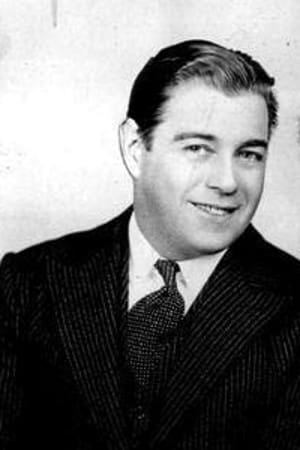
Morton Downey
Biography
John Morton Downey was an American singer and entertainer popular in the United States in the first half of the 20th century, enjoying his greatest success in the late 1920s and early 1930s. Downey was nicknamed "The Irish Nightingale". Downey began his singing career as a member of the choir of Most Holy Trinity Church in Wallingford. Downey's signature sound was a very creamy and very high-timbred Irish tenor, which an uninformed listener can easily mistake for a female voice. The popularity of such highly artificial and "heady" male pop vocals peaked in the late 1920s and early 1930s. By the mid-1930s, the style was out of fashion, and Downey reduced some of his broader mannerisms and made a transition to a somewhat more "chesty" vocal timbre. For a time in the 1920s, Downey sang with Paul Whiteman's Orchestra. He first recorded in 1923 for Edison Records under the pseudonym Morton James; the following year he recorded for Victor with the S.S. Leviathan Orchestra. In 1925, he began four years of recording for Brunswick Records. In 1926, he had a hit in the show Palm Beach Nights. Downey toured London, Paris, Berlin, New York City and Hollywood]. He also began appearing in movies, including Syncopation, the first film released by RKO Radio Pictures. Downey was also a songwriter whose most successful numbers include "All I Need Is Someone Like You", "California Skies", "In the Valley of the Roses", "Now You're in My Arms", "Sweeten Up Your Smile", "That's How I Spell Ireland", "There's Nothing New", and "Wabash Moon". He joined ASCAP in 1949. Famous tenor vocalist, Bill Kenny, idolized Downey, and it is believed that he was Kenny's biggest influence. The similarities in style can be heard in Kenny's earliest recordings with The Ink Spots. In 1930, Downey began making national radio broadcasts after opening his own nightclub (The Delmonico) in New York. He was voted America's "Radio Singer of the Year" in 1932. At the time, Downey was featured nightly on the Camel Quarter Hour radio broadcast. On February 5, 1945, his transcribed program Songs by Morton Downey moved from the NBC Blue Network to the Mutual Broadcasting System. The move came after Blue Network officials adopted a policy "against the use of transcriptions for network originated programs, except where technical difficulties void live broadcasts." As a result of the shift, the number of stations carrying the program more than doubled. In the 1930s, he recorded for ARC, Hit of the Week, and Decca Records, and in the 1940s, he made records for Columbia Records. Starting in 1949, Morton Downey began appearing on television. From 1950 to1951, he co-hosted Star of the Family.
Known For
Prominent works featuring Morton Downey
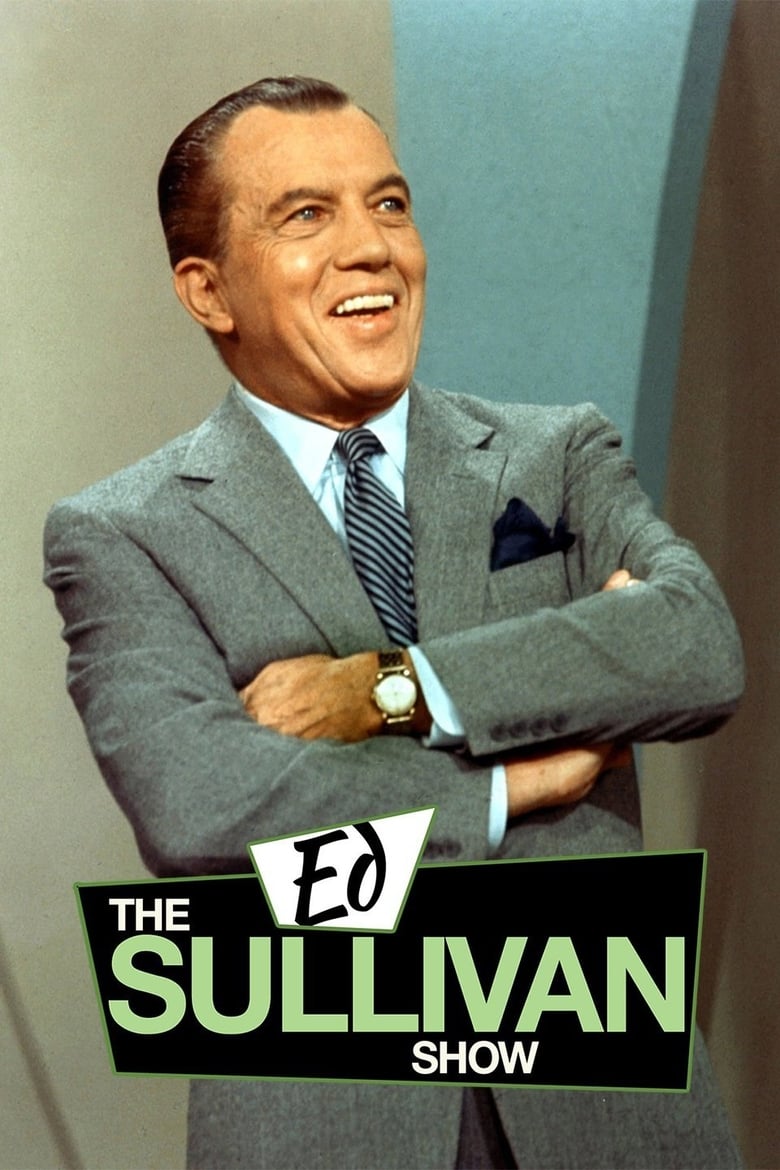
The Ed Sullivan Show

The Devil's Holiday
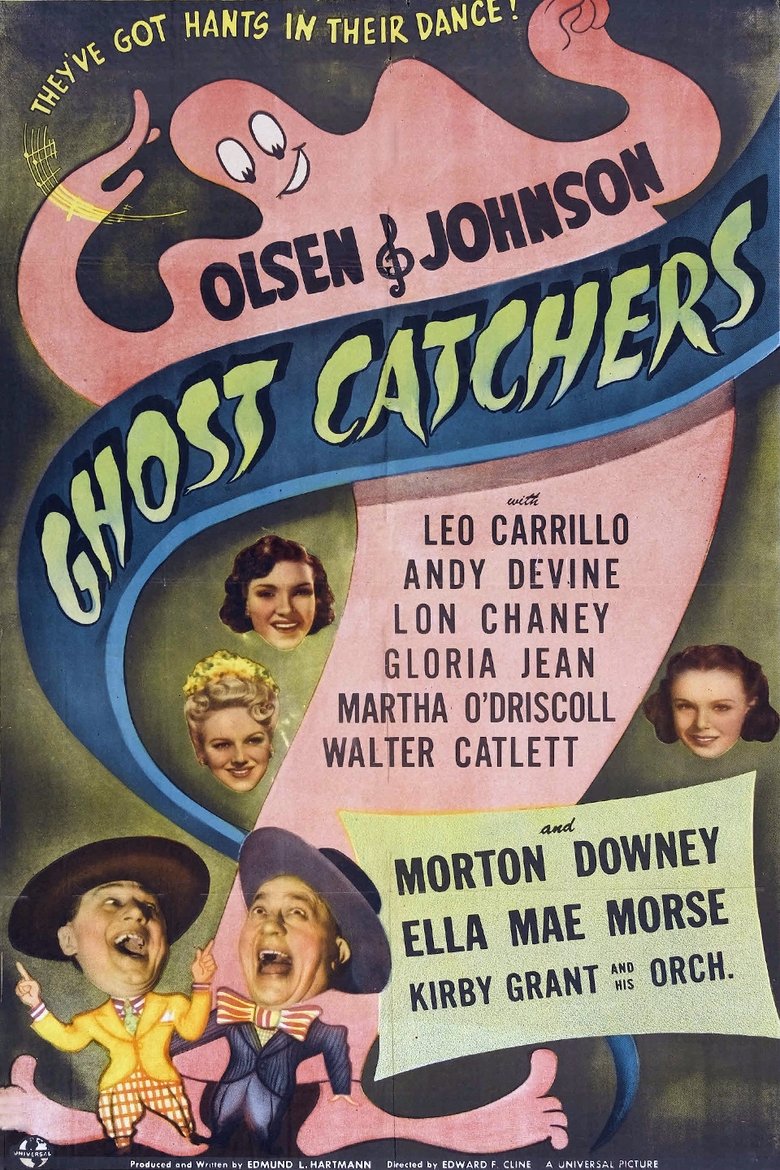
Ghost Catchers
Rambling 'Round Radio Row #10
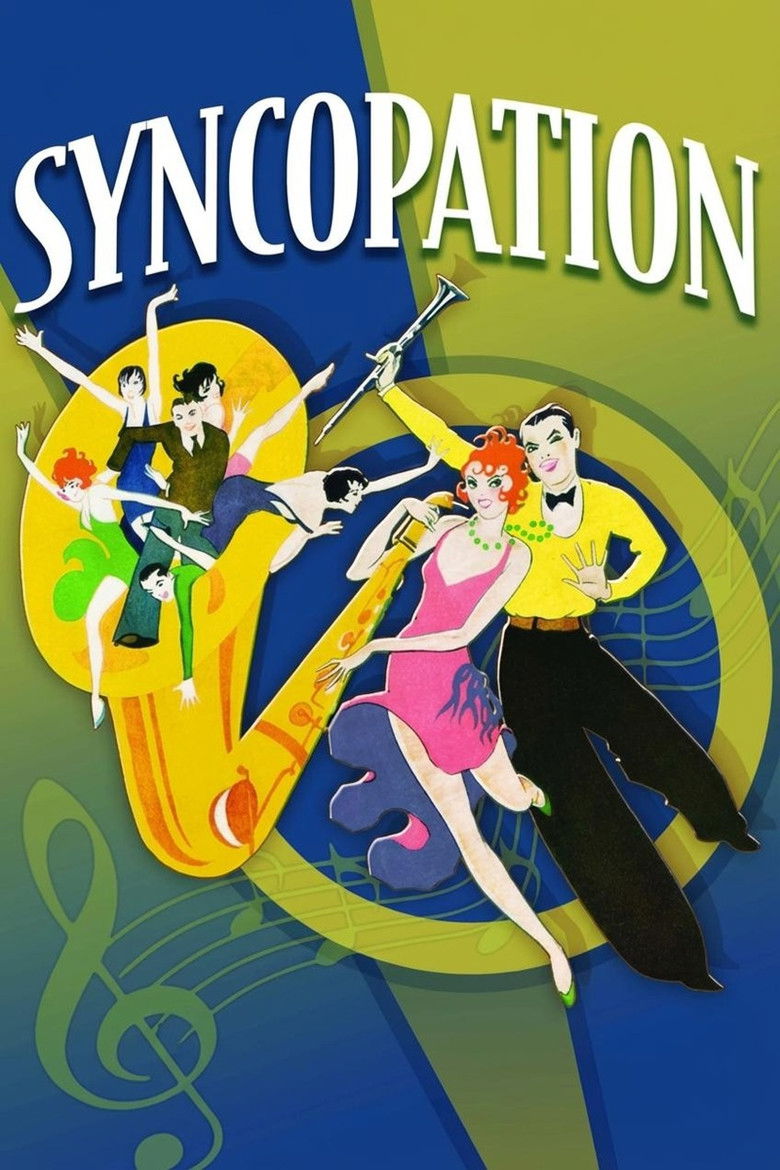
Syncopation
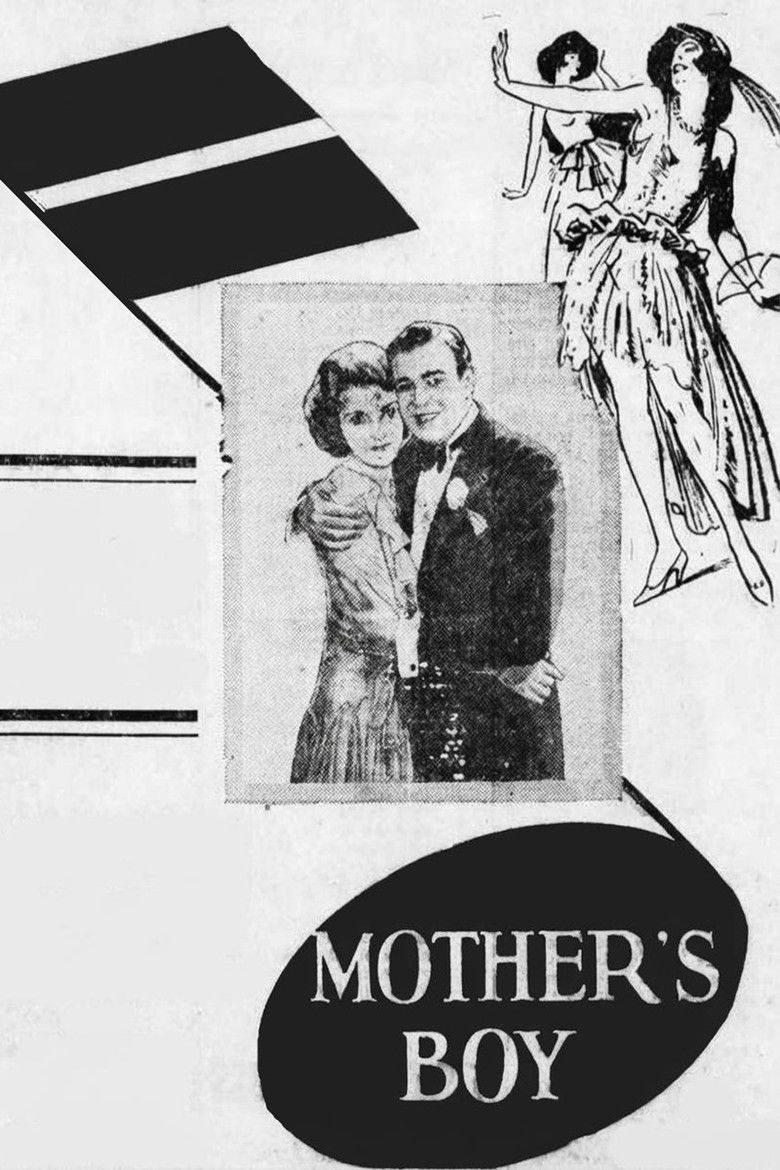
Mother's Boy
Coke Time with Eddie Fisher
Lucky In Love
Dublin in Brass
Filmography & Credits
Complete career catalog (9 titles)
| Poster | Title | Character / Role | Type | Year |
|---|---|---|---|---|
| Coke Time with Eddie Fisher | Self / Appearance | TV Series | 1953 | |
 | The Ed Sullivan Show | Self | TV Series | 1948 |
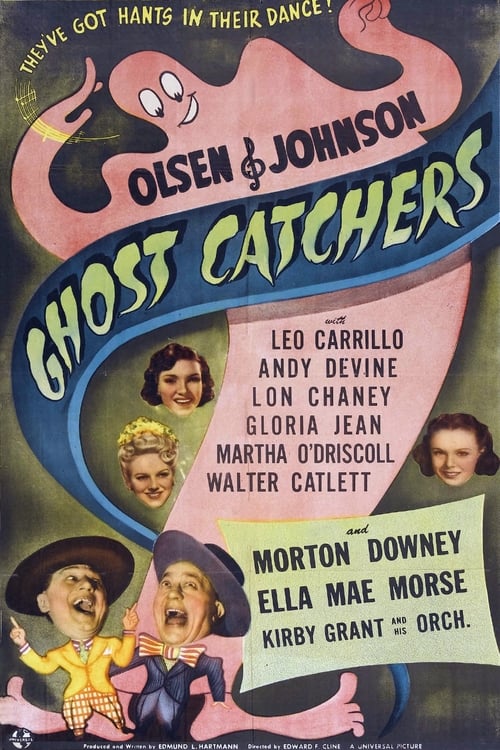 | Ghost Catchers | Morton Downey | Movie | 1944 |
| Dublin in Brass | Danny O'Neill | Movie | 1935 | |
 | Rambling 'Round Radio Row #10 | Himself | Movie | 1934 |
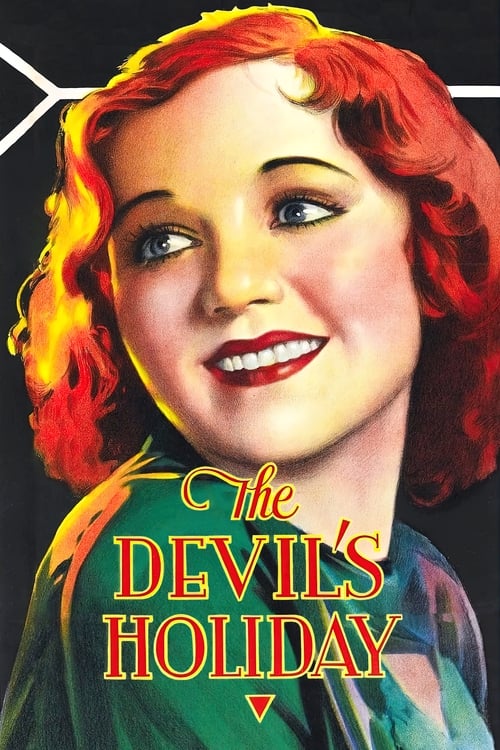 | The Devil's Holiday | Freddie | Movie | 1930 |
| Lucky In Love | Michael O'More | Movie | 1929 | |
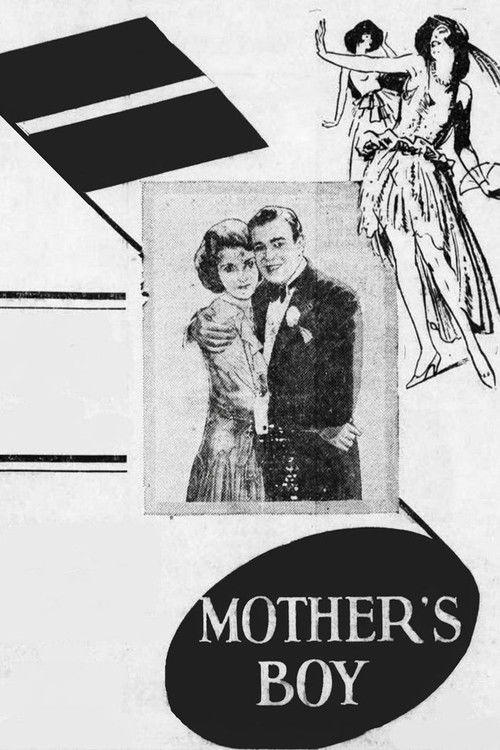 | Mother's Boy | Tommy O'Day | Movie | 1929 |
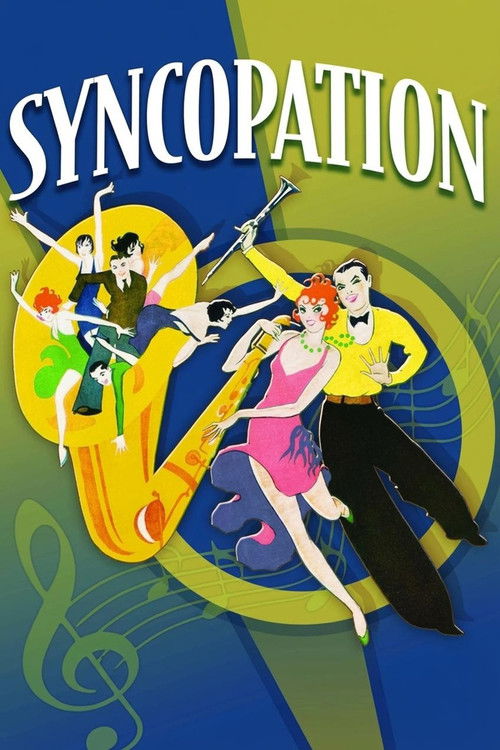 | Syncopation | Lew | Movie | 1929 |